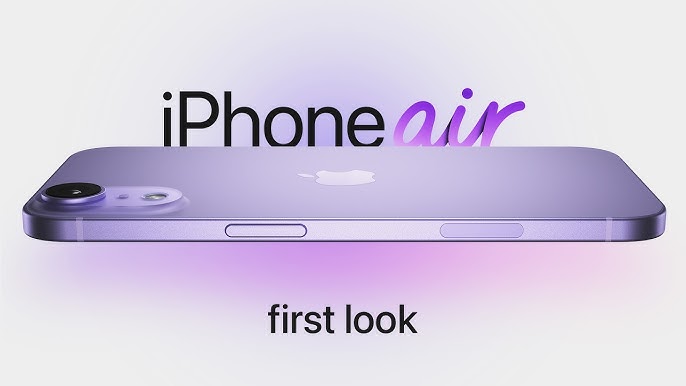
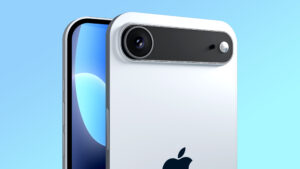

1. The Concept of iPhone Air
The iPhone Air is expected to follow Apple’s tradition of ultra-lightweight and premium devices, similar to the MacBook Air and iPad Air. It would likely emphasize thinness, portability, and high-end performance while maintaining Apple’s signature build quality.
Why an iPhone Air?
-
Market Demand: Consumers increasingly prefer lightweight yet powerful smartphones.
-
Competition: Rivals like Samsung and Google offer slim, high-performance devices.
-
Apple’s Legacy: The “Air” branding represents premium, lightweight design (e.g., MacBook Air).
2. Design and Build Quality
Apple is renowned for its premium materials and meticulous craftsmanship, and the iPhone Air would be no exception.
Expected Design Features:
-
Ultra-Thin Body: Possibly under 6mm thickness, making it one of the slimmest iPhones ever.
-
Lightweight Construction: Likely around 120–130 grams for easy handling.
-
Aerospace-Grade Aluminum: Durable yet lightweight frame.
-
Ceramic Shield or Titanium Options: Enhanced durability with scratch-resistant materials.
-
Edge-to-Edge Display: Minimal bezels with a Dynamic Island or under-display Face ID.
Display Technology:
-
OLED ProMotion (120Hz): Smooth scrolling and vibrant colors.
-
6.1-inch or 6.7-inch variants: Balancing portability and screen real estate.
-
Always-On Display: For quick glanceable information.
3. Performance and Hardware
The iPhone Air would likely feature Apple’s latest A-series or M-series chip, ensuring top-tier performance.
Processor & Efficiency:
-
A18 Bionic or M1-equivalent chip: Blazing-fast speeds with AI enhancements.
-
4nm/3nm Architecture: Improved battery efficiency and thermal management.
-
8GB RAM: Smooth multitasking for power users.
Storage Options:
-
128GB, 256GB, 512GB, and possibly 1TB variants.
-
NVMe SSD-like speeds for rapid app launches.
Battery Life & Charging:
-
All-Day Battery: Optimized for efficiency despite the slim design.
-
20W Fast Charging & MagSafe Wireless Charging.
-
USB-C Port (Complying with EU regulations).
4. Camera System
Apple’s iPhones are known for their exceptional camera quality, and the iPhone Air would likely continue this trend.
Expected Camera Features:
-
Dual or Triple-Lens Setup (Pro Model):
-
48MP Main Sensor (Improved low-light performance).
-
12MP Ultra-Wide Lens (Wider field of view).
-
12MP Telephoto (3x or 5x Optical Zoom).
-
-
LiDAR Scanner: Enhanced AR and low-light focus.
-
Cinematic Mode & ProRes Video: Professional-grade video recording.
-
Improved Night Mode & Smart HDR 5.
5. Software and User Experience
The iPhone Air would run iOS 18 (or later), packed with exclusive features.
Key Software Enhancements:
-
AI-Powered Siri: More contextual and proactive assistance.
-
Advanced Privacy Controls: App tracking transparency and on-device processing.
-
Customizable Always-On Display.
-
Seamless Ecosystem Integration: Handoff with Mac, iPad, and Apple Watch.
6. iPhone Brand Quality: What Sets It Apart?
Apple’s reputation for premium quality is unmatched. Here’s why the iPhone Air would uphold this legacy:
a) Build and Durability
-
IP68 Water/Dust Resistance.
-
Military-Grade Drop Protection.
-
Scratch-Resistant Ceramic/Titanium Build.
b) Longevity & Software Support
-
5-6 Years of iOS Updates (Longer than most Android competitors).
-
Optimized Performance Over Time.
c) Security & Privacy
-
Face ID/Touch ID with Secure Enclave.
-
End-to-End Encryption for iMessage & FaceTime.
d) Resale Value
-
iPhones retain higher resale value than competitors due to brand trust.
7. Pricing and Availability
Given Apple’s pricing strategy, the iPhone Air could start at:
-
799(BaseModel)–1,499 (Pro Max Variant).
-
Expected Release: Potentially alongside iPhone 16 (September 2024).
8. Conclusion: Is the iPhone Air Worth the Hype?
While the iPhone Air remains speculative, if Apple follows its “Air” branding philosophy, it could be the perfect blend of portability and premium performance. With a sleek design, powerful chip, advanced cameras, and Apple’s unmatched ecosystem, it would be a strong contender in the flagship smartphone market.
Apple’s commitment to quality, security, and innovation ensures that any new iPhone—whether Air, Pro, or SE—will deliver exceptional user experience. Until an official announcement, tech enthusiasts can only anticipate what Apple has in store.
Final Thoughts
The iPhone Air could redefine smartphone elegance, combining lightweight design with flagship performance. If launched, it would further solidify Apple’s dominance in the premium smartphone segment.
iPhone Air: Why Apple Might Launch It?
1. Filling the Gap Between iPhone SE and iPhone Pro
Currently, Apple’s iPhone lineup consists of:
-
Budget-Friendly: iPhone SE
-
Mainstream: iPhone (Standard Model)
-
Premium: iPhone Pro & Pro Max
Why iPhone Air Makes Sense?
-
A Mid-Range Premium Option: The iPhone Air could sit between the standard iPhone and the Pro models, offering high-end features at a slightly lower price.
-
Lightweight Alternative: Not everyone needs the Pro’s advanced cameras but may want a slimmer, lighter design.
-
Attracting More Buyers: A more affordable premium iPhone could lure customers who find the Pro models too expensive.
2. Competing with Slim and Lightweight Android Flagships
Samsung, Google, and other brands have been launching ultra-thin, high-performance smartphones, such as:
-
Samsung Galaxy S23 Ultra (Sleek, powerful)
-
Google Pixel 8 Pro (Lightweight AI-focused)
How iPhone Air Can Compete?
-
Thinner & Lighter Than iPhone Pro: Potentially under 6mm thickness and 130g weight.
-
Premium Materials: Aluminum or titanium frame with Ceramic Shield glass.
-
Better Portability: Easier one-hand use compared to bulky Pro models.
3. Reviving the “Air” Branding for iPhones
Apple has successfully used the “Air” branding for its MacBook Air and iPad Air, symbolizing lightweight yet powerful devices.
Why Extend It to iPhones?
-
Brand Recognition: Consumers associate “Air” with slim, premium, and portable devices.
-
Differentiation: Helps separate it from the Pro and standard iPhone models.
-
Marketing Appeal: “iPhone Air” sounds futuristic and aligns with Apple’s design philosophy.
4. Catering to Users Who Prioritize Portability
Many users prefer smaller, lighter phones but don’t want to compromise on performance.
iPhone Air’s Potential Advantages:
-
Easier to Carry: Fits comfortably in pockets and small hands.
-
Longer Battery Life (Optimized Efficiency): Despite slim size, Apple’s chip optimization could ensure all-day usage.
-
No Compromise on Performance: Expected to feature the A18 Bionic chip (same as Pro models).
5. Expanding Apple’s Ecosystem with a New iPhone Category
Apple thrives on its ecosystem (iPhone, iPad, Mac, Apple Watch). Adding an iPhone Air could:
-
Attract New Customers: Those who want a premium but not oversized iPhone.
-
Encourage Upgrades: Users holding onto older iPhones may switch for a fresher, lighter design.
-
Boost Accessory Sales: New cases, MagSafe chargers, and other accessories tailored for iPhone Air.
6. Addressing the Demand for a Truly Compact Flagship
Recent iPhones have grown larger, leaving few options for users who prefer smaller screens.
How iPhone Air Solves This?
-
Possible 5.8-inch or 6.1-inch Display: Compact yet modern.
-
No Bulkier Camera Bump: A streamlined design unlike the Pro’s triple-lens bump.
-
One-Handed Usability: Easier typing and navigation.
7. Future-Proofing Apple’s iPhone Lineup
With folding phones and new form factors emerging, Apple may want to reinvent its classic iPhone design before shifting to radical changes.
iPhone Air as a Transition Device?
-
Experimenting with New Materials: Titanium, graphene, or advanced composites.
-
Testing Market Response: If successful, could lead to more “Air” variants.
-
Keeping Traditional iPhone Fans Engaged: Not everyone wants foldables.
8. Potential Challenges for iPhone Air
While the iPhone Air seems promising, Apple must consider:
-
Pricing Strategy: Too expensive may overlap with iPhone Pro; too cheap may hurt margins.
-
Battery Life Concerns: Slim design could limit battery capacity.
-
Differentiation from iPhone Standard Model: Must offer clear advantages.
Conclusion: Will Apple Launch the iPhone Air?
The iPhone Air makes logical sense for Apple’s strategy—bridging the gap between the standard iPhone and Pro models while competing with sleek Android flagships. If executed well, it could attract users who want premium quality without extreme bulk or cost.
Until Apple makes an official announcement, the iPhone Air remains speculative. However, given Apple’s history of innovation, a lightweight, high-performance iPhone Air could very well be in the works.